

A picture is worth a thousand words. This picture is certainly no exception. This photo shows what was collected by (50) Drain Guards that were installed in the southern California area after only two weeks! If this is what is collected in 50 drains in 2 weeks, imagine what is happening nationwide. This is a tremendous visual reminder that our products are not only helping companies and industry stay in compliance but they are helping to maintain our water ways and stormwater systems.
Ten of the Largest Oil Spills in History
Deepwater Horizon was one of the largest oil spills in history. But not THE largest! Check out this list of the ten largest oil spills in history
http://www.spillcontainment.com/ten-largest-oil-spills-history
Controlling Phosphorus Contamination in Stormwater
Agricultural use of fertilizers for crops, that meet strict quality criteria and application rates, have been shown to produce significant improvements in crop growth and yield. The nutrients found in fertilizers, such as nitrogen, phosphorus and potassium and trace elements such as calcium, copper, iron, magnesium, manganese, sulfur and zinc, are necessary for crop production and growth. Fertilizers reduce the farmer’s production costs and replenishes the organic matter that has been depleted over time through crop absorption. Fertilizer, improves the soil by increasing its ability to absorb and store moisture. The nitrogen and phosphorous in the fertilizer are used very efficiently by crops as they are absorbed slowly by the plants.
Manure and wastewater have the potential to contribute pollutants such as nitrogen and phosphorus, organic matter, sediments, pathogens, heavy metals, hormones, antibiotics, and ammonia to the environment, if not properly managed. Excess nutrients in water (i.e., nitrogen and phosphorus) can result in or contribute to low levels of dissolved oxygen, and toxic algae blooms. Decomposing organic matter (i.e., animal waste) can reduce oxygen levels and cause fish kills. Bacteria has been linked to sickness and deaths in humans. Bacteria in manure can also create a food safety concern if manure is applied directly to crops at inappropriate times. Nitrogen in the form of nitrate, can contaminate drinking water supplies drawn from ground water.
(Boston, Mass. – October 19, 2011) The Charles River Pollution Control District will pay a $16,500 fine and perform a Supplemental Environmental Project (SEP) at a cost of approximately $60,000 to resolve federal Clean Water Act (CWA) violations related to the operation of its wastewater treatment facility. In March, EPA’s New England office filed a complaint against the Charles River Pollution Control District, which operates a wastewater treatment facility in Medway, Mass., alleging violations of the federal Clean Water Act for discharging phosphorus and suspended solids into the Charles River at levels above those allowed by its federal permit.
The U.S. Environmental Protection Agency announced Wednesday, August 18, 2010, that Sorrento Lactalis Inc., a cheese manufacturer, will pay the United States $315,000 for Clean Water Act violations. According to the press release, Sorrento discharged excess levels of wastewater into Mason Creek from its factory operations in Nampa, Idaho. Exceeding its monthly and daily discharge limits for total suspended solids, E.coli, biological oxygen demand, phosphorus, and pH
UltraTech’s Phos Filter is an engineered filtration media that can retain 1 1/2 times its weight in phosphorus with up to a 90% removal. We offer a variety of products as solutions for filtering phosphorus from Stormwater, to include the Ultra-HydroKleen, Ultra-Filter Sock as well as a variety of custom solutions.
Stormwater Requirements at Utility Power Plants
Activities, such as material handling and storage, equipment maintenance and cleaning, industrial processing or other operations that occur at industrial facilities are often exposed to stormwater. The runoff from these areas may discharge pollutants directly into nearby waterbodies or indirectly via storm sewer systems, thereby degrading water quality. Types of power plants include:
Example of violation and subsequent fine: (Boston, Massachusetts – Feb. 3, 2011) – The Mt. Tom Generating Company, LLC, has agreed to a settlement of $40,814 for violations of the federal Clean Water Act (CWA). Pollutants may be present in stormwater as a result of outdoor activities associated with steam electric power generating facilities such as: material handling and transport operations; waste disposal; and deposition of airborne particulate matter. In addition, sources of pollutants other than stormwater, such as illicit connections, spills, and other improperly dumped materials, may increase the pollutant loadings discharged receiving waters. Although there are many activities that occur at a facility, this fact sheet only discusses those activities that occur outdoors and where activities or materials may be exposed to precipitation. The primary and largest potential source of stormwater pollutants from fossil-fueled steam electric generating facilities is ash refuse piles. Vanadium, sodium, sulfur, and nickel are all common elements found in oil ash. Silica, alumina, ferric oxide, calcium oxide, magnesium oxide, and sodium and potassium oxides are all common. Pollutant Activities / Sources … typical pollutants are oils, greases and heavy metals:
Solutions :
|
Cities and Counties are getting fined too!
Even City and County Municipalities are not exempt from getting cited for Stormwater Violations!!!
The U.S. Environmental Protection Agency recently cited 79 municipalities in south central Pennsylvania for administrative failures in their storm-water management programs. Of those, 31 municipalities were in Dauphin, Lebanon, York and Cumberland counties.
(San Juan, P.R.) The U.S. Environmental Protection Agency (EPA) has filed individual complaints against the municipalities of Cayey, Hatillo, Las Piedras, Loiza, Rio Grande and Toa Alta in Puerto Rico for failing to comply with federal Clean Water Act requirements related to stormwater management for small municipal sewer systems. The six municipalities face a total amount of $291,177 in fines.
The Environmental Protection Agency Region 1 office issued the following news release: The town of Atkinson, New Hampshire has been fined for violating the federal Clean Water Act (CWA).
With Increased Regulations, Municipalities themselves are not even safe from the Federal and State EPA regional authorities. Municipalities typically will go the extra mile to be proactive to sure they are in compliance with the Clean Water Act, very seldom do they get cited or fined for that reason. We have many products to assist Municipalities with being in compliance. Those products include, but are not limited to …
- Ultra-Drain Guards, Ultra-HydroKleen and other drain inlet protection for use in their maintenance yards, for flushing fire hydrants, and other applications throughout the city and county municipality storm drains.
- Dewatering Bags for pumping out sediment laden water from the holes in street when there are water main breaks.
- New Sampling kits for sampling reports to submit to State and Federal water boards and EPA as part of the NPDES permits.
- New Trash and Debris Strainer for keeping trash out of the ocean, lakes, rivers, streams and other bodies of water that storm drains discharge to.
- Microbes for various stormwater applications to clean up oils.
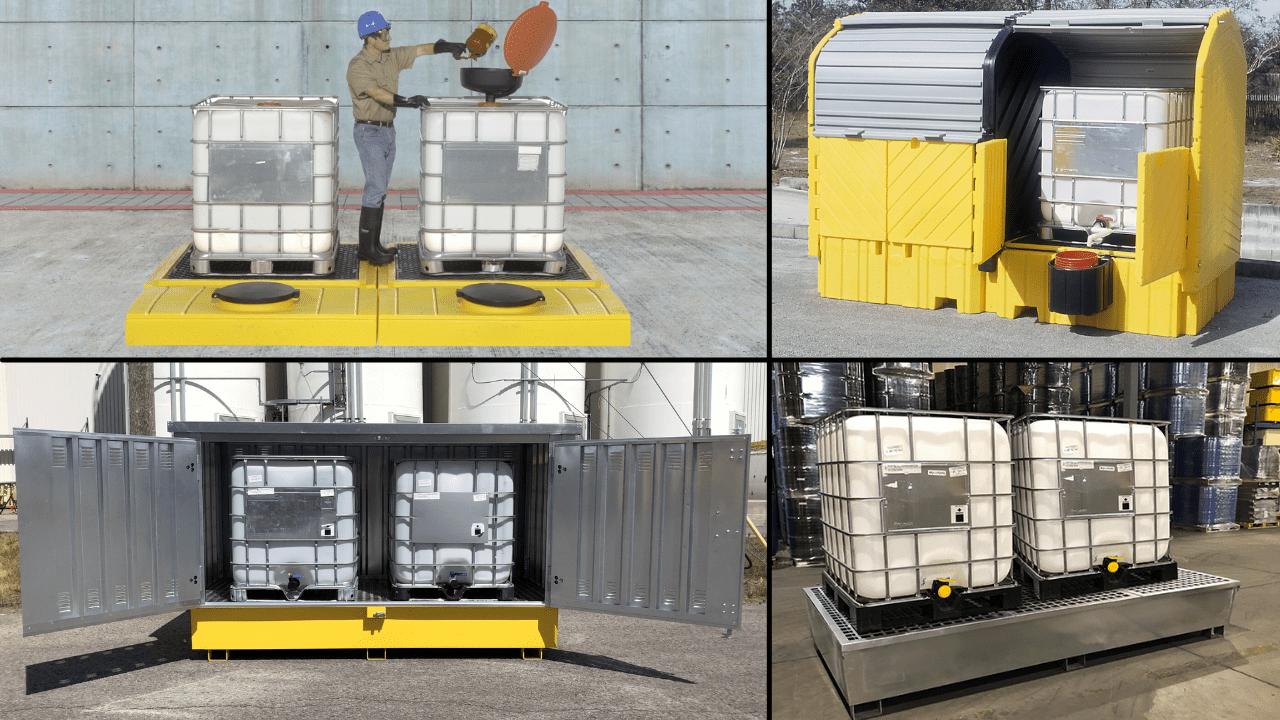
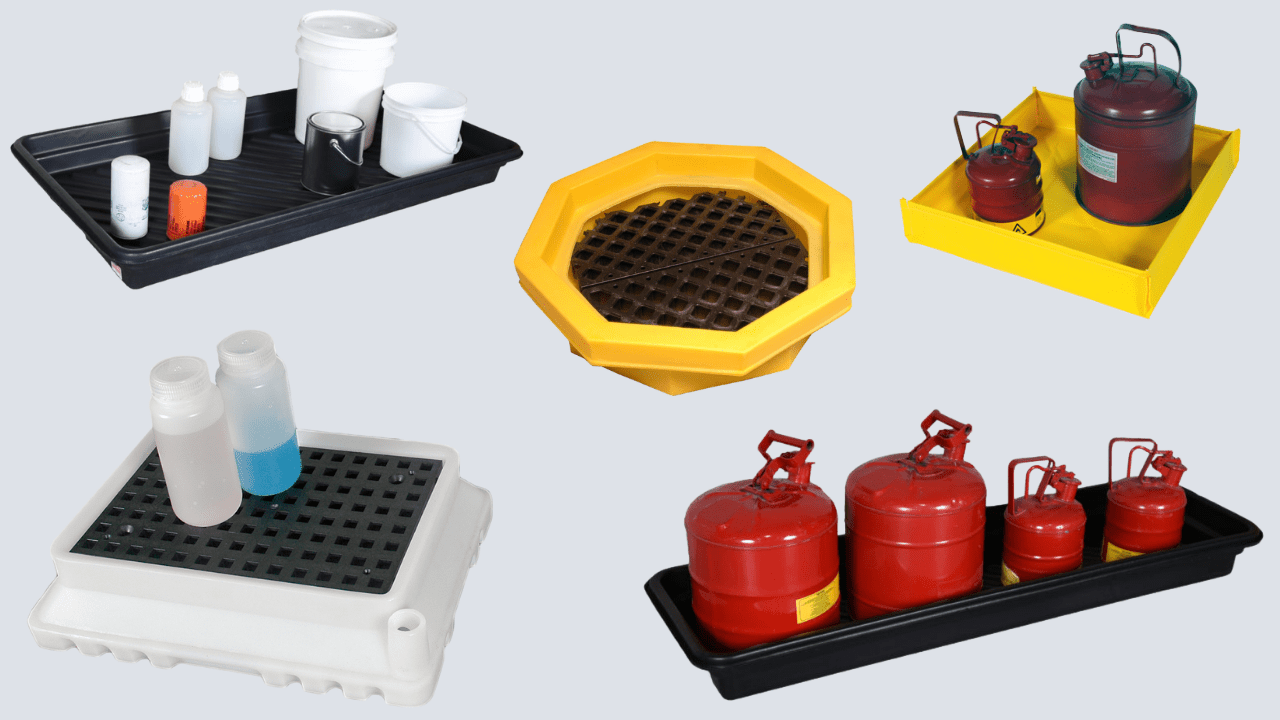
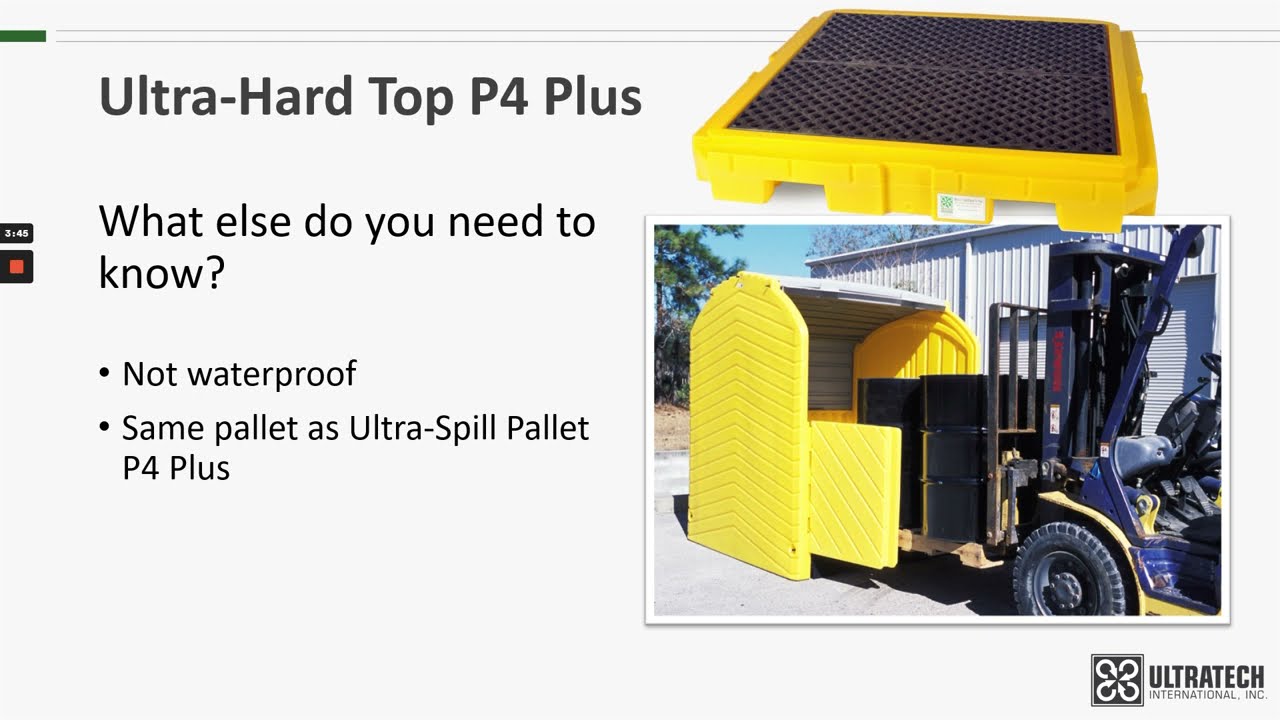
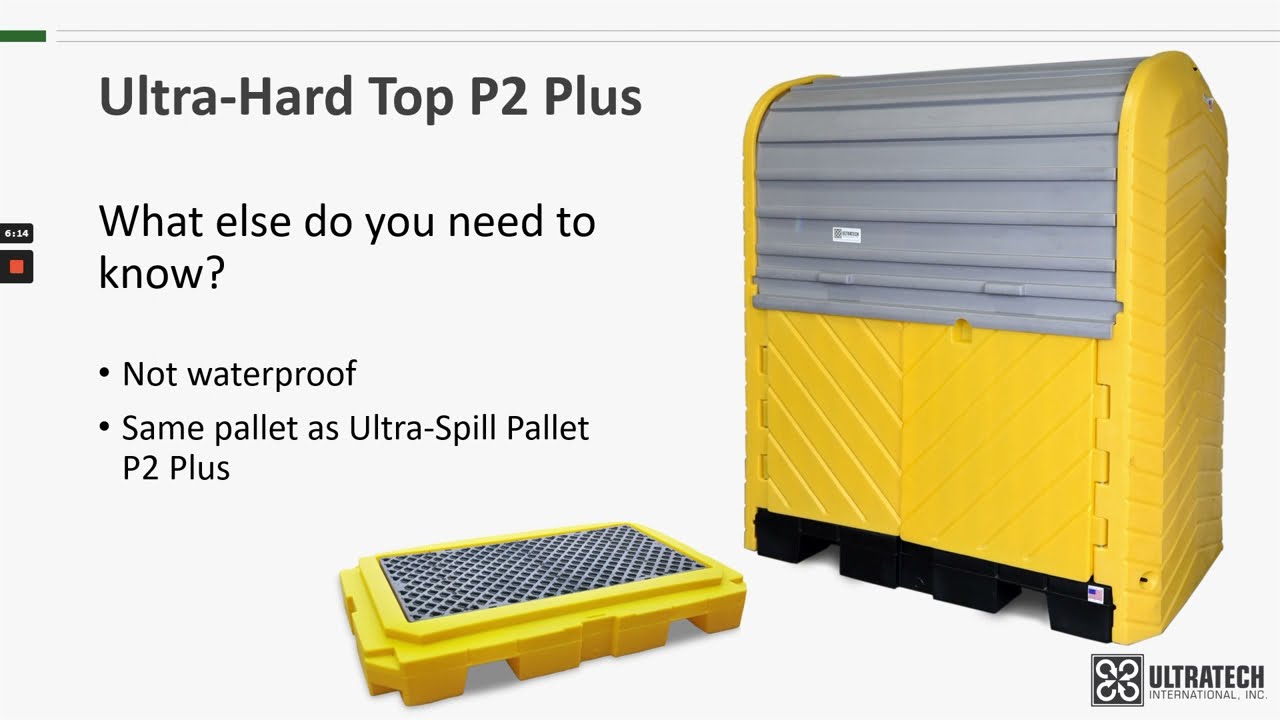
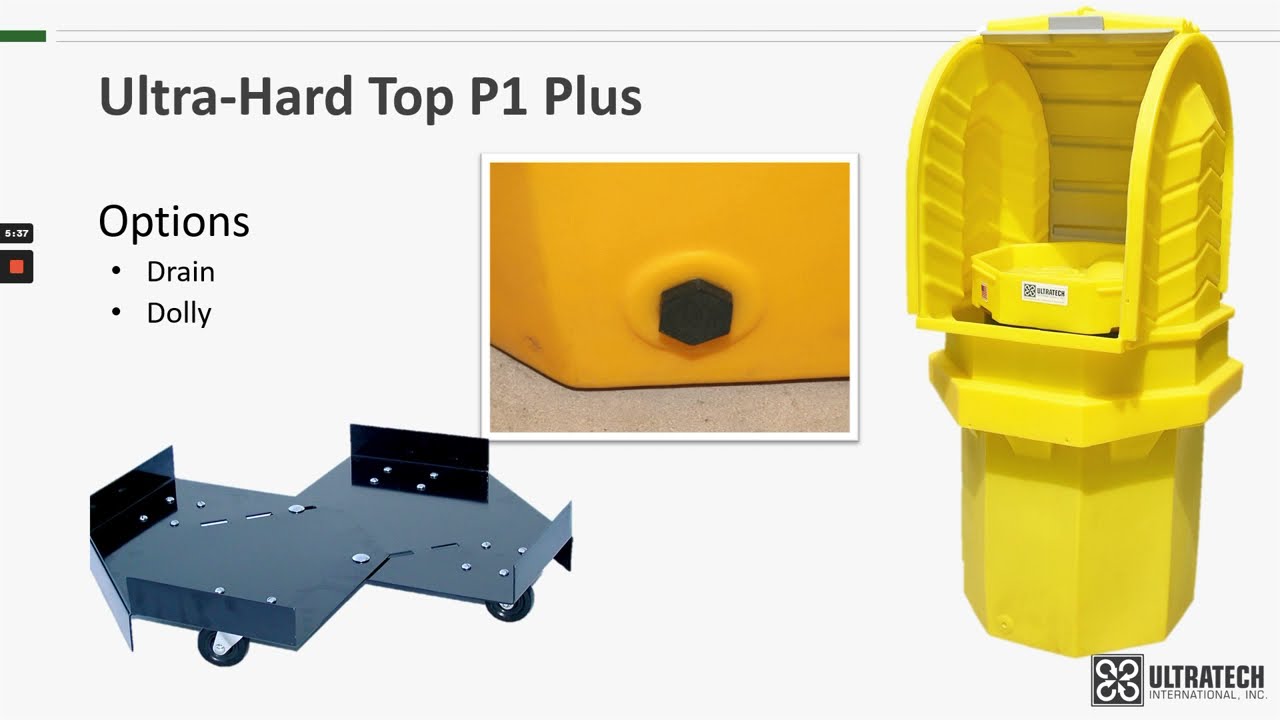
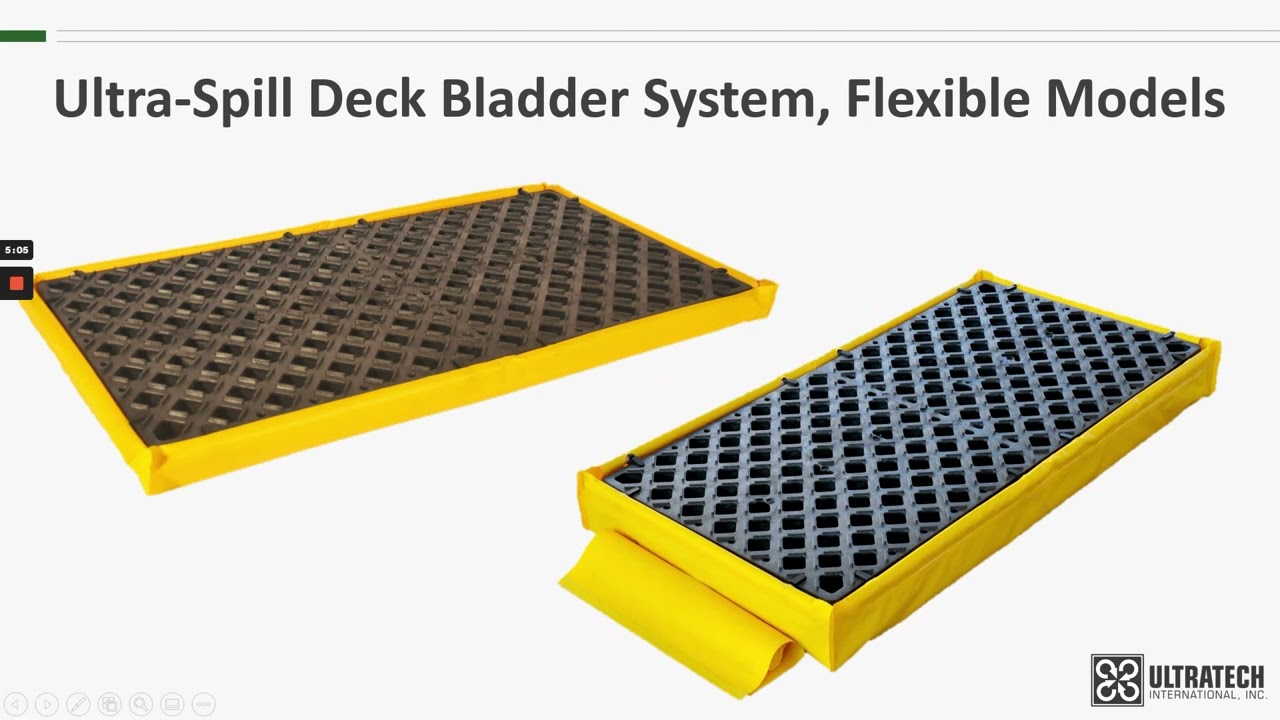
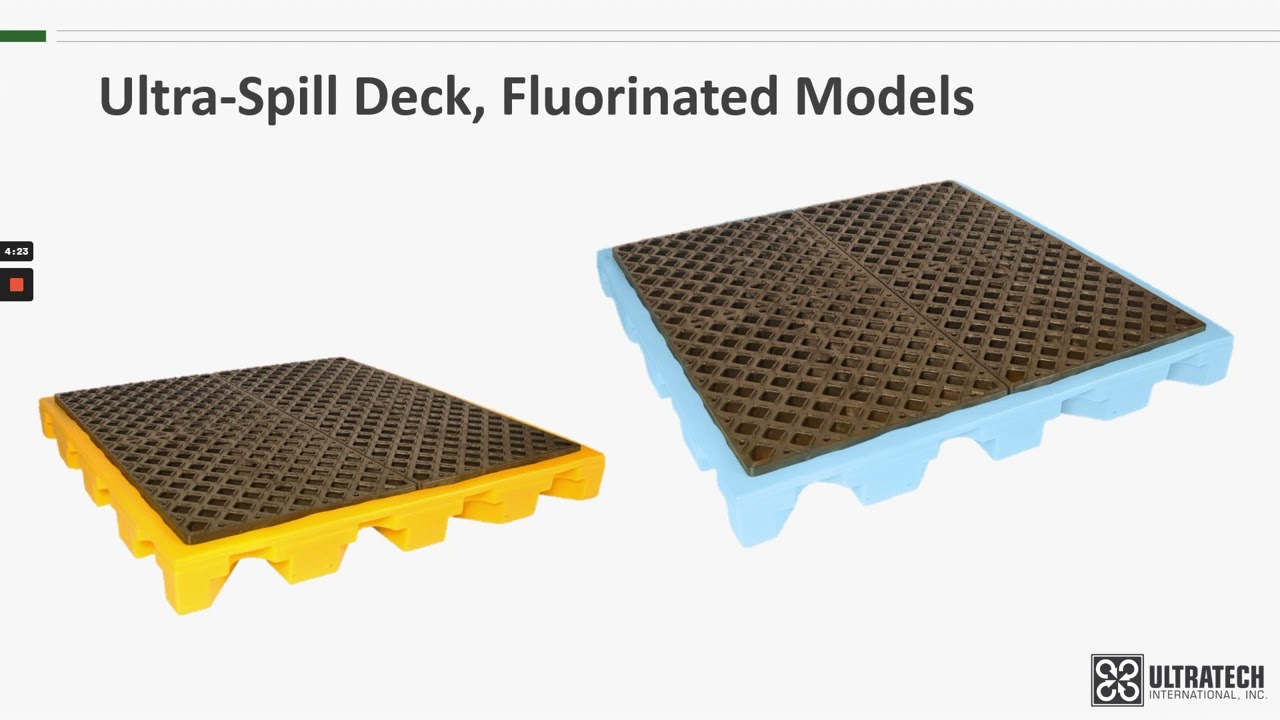
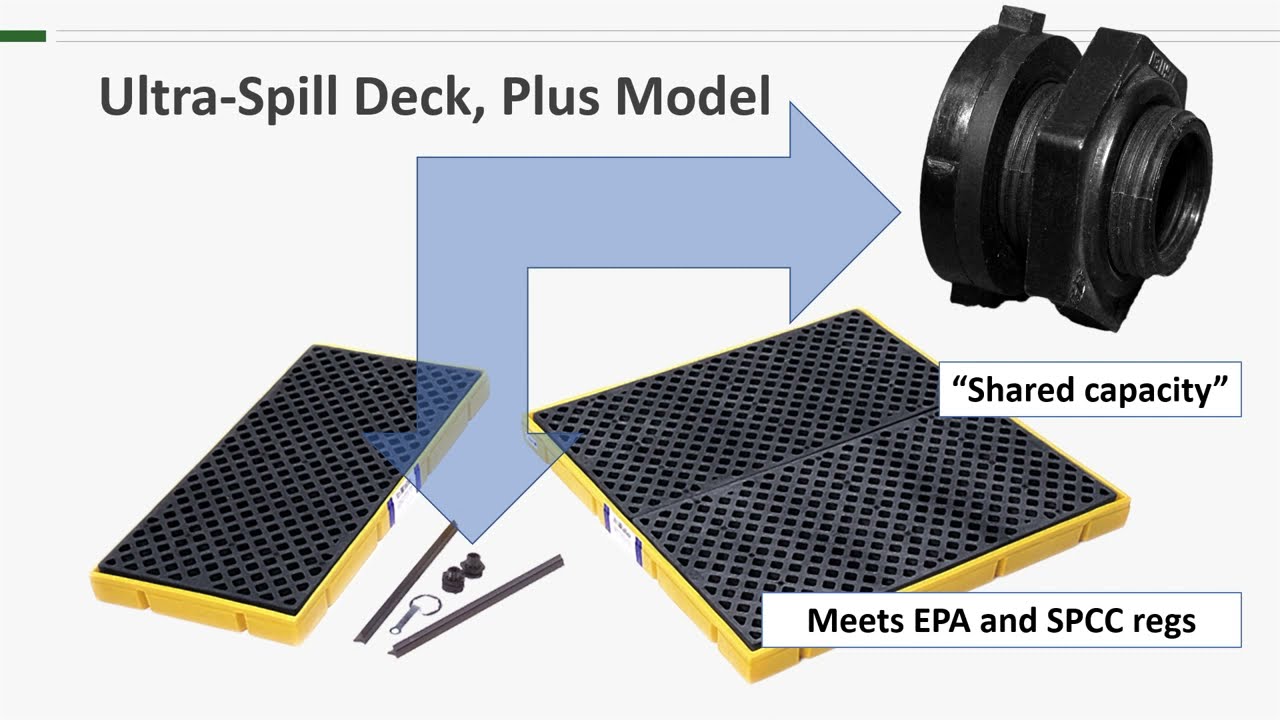
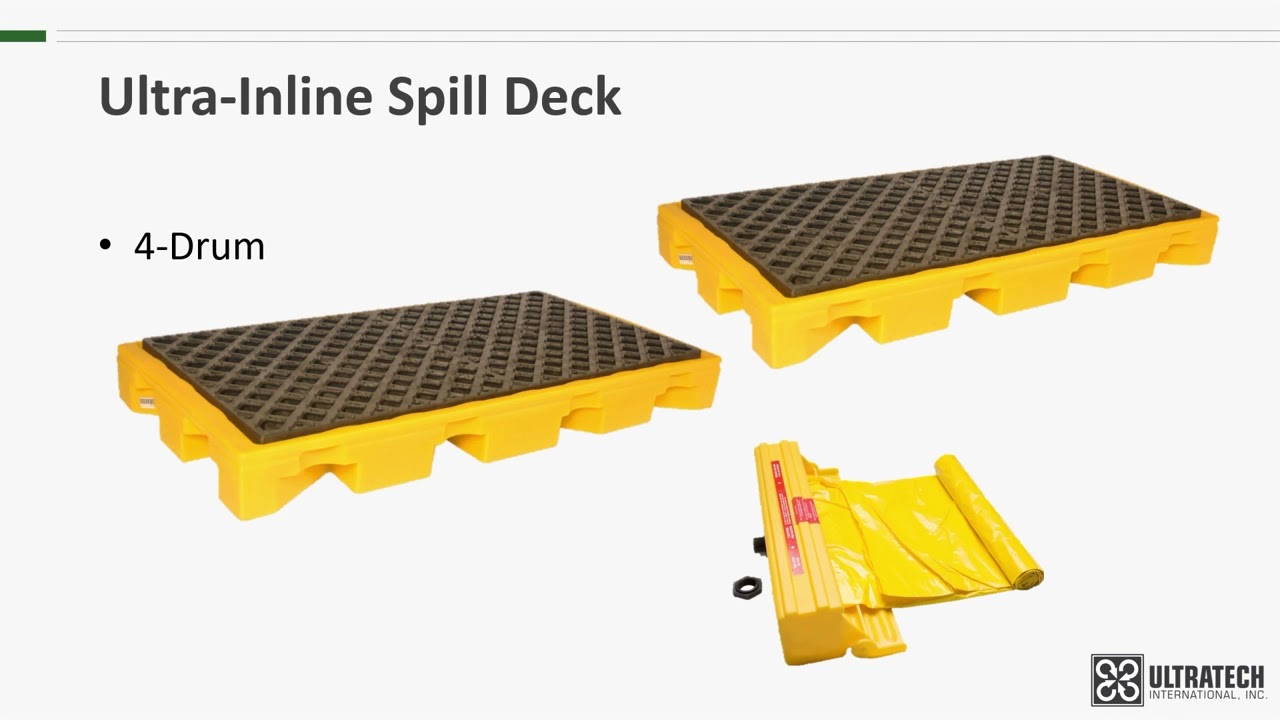
- Spill Containment products, such as spill pallets and Ultra-Hard Top Plus units as BMPs against chemical spills … yes, Spill Containment and response products are also considered a BMP to prevent chemical spills from going into storm drains.
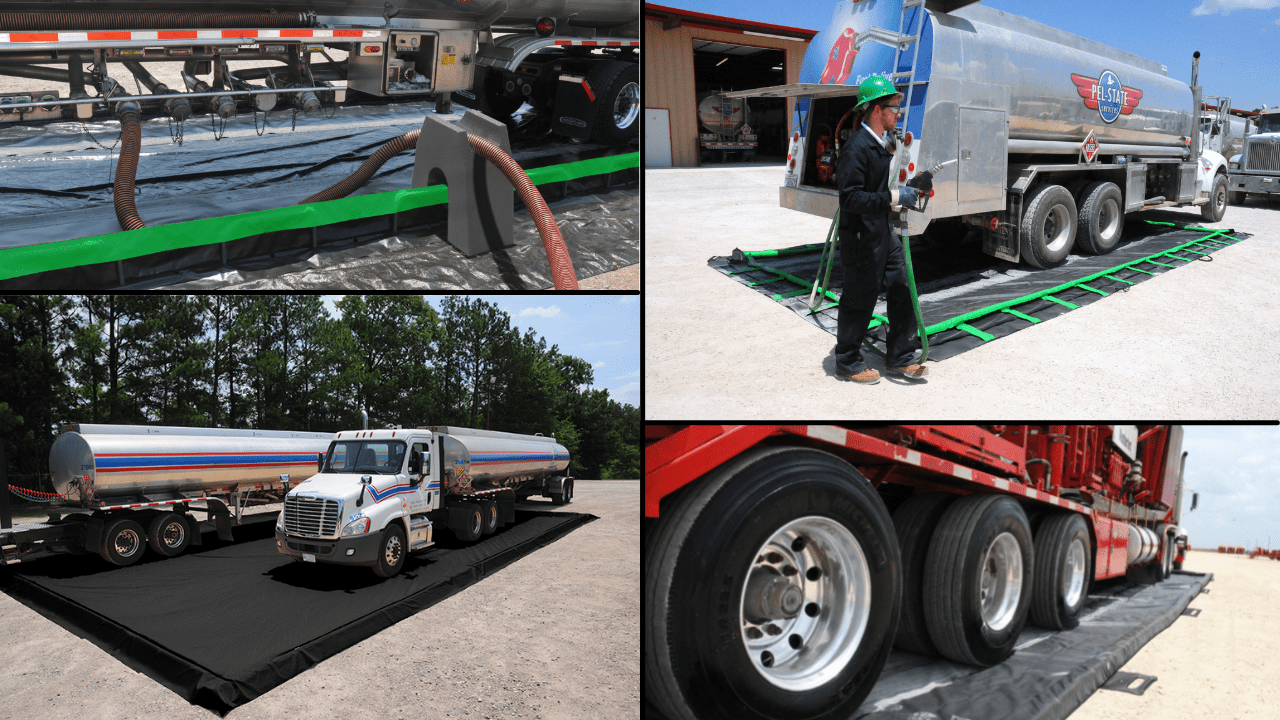
- Pop Up pools and Containment Berms for generators, leaking vehicles and other gasoline powered equipment.
- Spill Response products such the Ultra-Drain Seal and Ultra-Spill Berm.
The Solution to Stormwater Pollution? Stop using cars and trucks.
Ok, maybe the elimination of automobiles is not the answer. We have some other ideas…
What is the source of heavy metal contaminants in stormwater? Copper, zinc, and lead are some of the more common heavy metal contaminants most widely found in stormwater. Copper and zinc are found in brake pads, thus as they wear, discharge dust particles of heavy metals which are washed away in stormwater.
One landmark study estimated that cars and other vehicles contributed 75 percent of the total copper load to the lower San Francisco Bay through runoff. Brake pad wear contributed 50 percent of the total load, and 25 percent came from atmospheric deposition — the eventual settling of metals from tailpipe emissions onto the ground. Tires are a source of zinc contaminants in stormwater, used as it provides properties which enhance the ability to absorb frictional heat an important property in tire performance. Galvanized fencing, metal roofs and down spouts are additional sources of zinc into stormwater. Industrial areas, scrap yards, paints and other points of contamination add to the issue of heavy metals in stormwater. Potential solutions include the Ultra-Drain Guard Heavy Metal Model, Ultra-HydroKleen (shown in illustration), and Ultra-Filter Sock are a few of the products that UltraTech mnaufactures as solutions to filter heavy metals from stormwater.
The Solution is CLEAR
You’ve got a spill! No problem, you’ve been trained. You know exactly what to do. The spill is making its way to the nearby storm drain. If one drop gets through that grating it could be disastrous! But you’re as cool as a cucumber. You walk over to your spill kit and get out the drain sealing mat that’s been waiting for this day all its life. You remove it from the box and stroll over to the drain… looking at the spill as if to say, “I’ve got your number. You ain’t goin nowhere!”. You place the spill response mat on top of the grating with a few moments to spare. The spill arrives and begins to puddle around the mat. You’ve SAVED THE DAY!
Or have you?
How do you know that your mat is stopping the spill completely? Let me help you with that one. You don’t. It’s better than nothing for sure but you can’t tell if any of the spilled liquid is getting by/under the drain cover.
Until now! With the new Ultra-Drain Seal, Clear Model you have the same spill stopping urethane material that has been used effectively for years in the Ultra-Drain Seal but with the added advantage of visual confirmation that the unit is working. Now, with just a quick glance, you can rest easy knowing that your drain and the stormwater system is protected. And if it’s not, you can act quickly to remedy the situation.
We’re heading to San Antonio
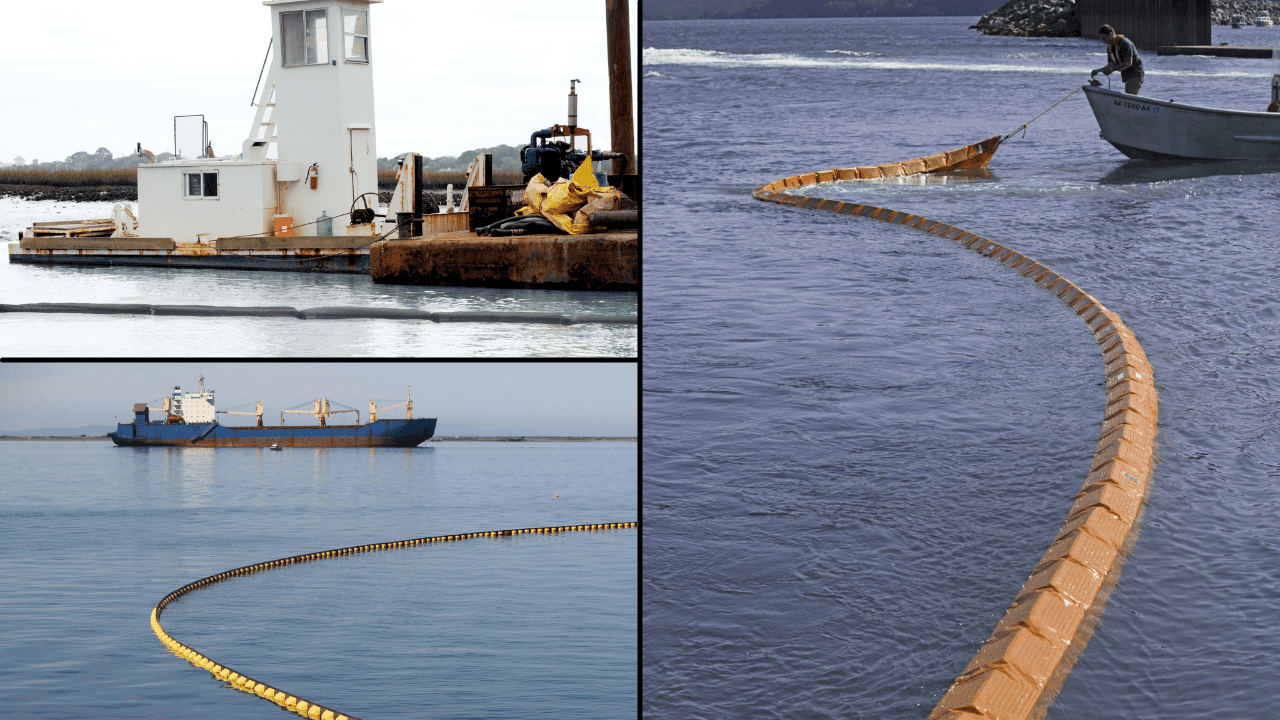
UltraTech will be exhibiting some of our oil spill response products at Clean Gulf 2011 in San Antonio Texas. Billed as “North America’s Largest Oil Spill Training Event & Exhibition”, Clean Gulf is a great place for us to display our oil booms, oil-eating microbes and other response type products as well as to find out what the industry needs to help keep our environment clean.
Get Ready for Winter!
Winter hasn’t officially arrived yet but don’t wait until December to get ready for those icy sidewalk and walkways. Use the Ultra-Dispenser to quickly and easily spread rock salt / ice melt and prevent dangerous falls and accidents! Also available in a wall-mounted model.
Cover your cord!
Check out our latest (and coolest) new product! The Ultra-Sidewinder is a cord cover like no other! Click here to find out why. Oh, by the way… it’s a finalist for Plant Engineering’s Product of the Year.